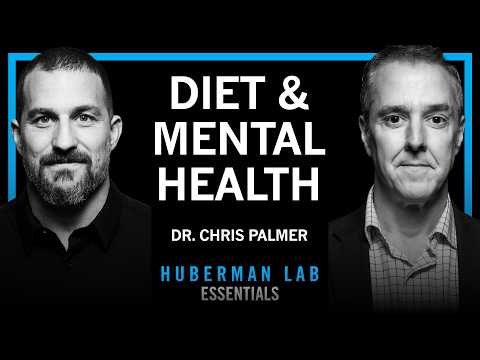
How to Improve & Protect Your Skin Health & Appearance | Dr. Teo Soleymani
TL;DR
- Sun exposure is the primary driver of premature skin aging and skin cancer risk, making sun protection critical for both appearance and health
- Mineral-based sunscreens with zinc oxide or titanium dioxide are generally safer and more effective than chemical sunscreens for long-term skin health
- A consistent skincare routine using retinoids, vitamin C, and niacinamide can significantly improve skin appearance and reduce signs of aging
- Lifestyle factors including nutrition, stress management, sleep quality, and avoiding nicotine and excess alcohol directly impact skin health and aging
- Common skin conditions like acne, rosacea, eczema, and psoriasis have evidence-based treatments ranging from topical solutions to systemic approaches
- Red-light phototherapy and certain laser treatments offer clinically supported methods to improve skin texture and appearance with minimal side effects
Key Moments
0:00
Introduction and sun exposure impact on aging
15:00
Mineral versus chemical sunscreens explained
35:00
Evidence-based skincare routines and ingredient selection
55:00
Lifestyle factors affecting skin health including diet and stress
75:00
Treatments for acne, rosacea, eczema, and other common skin conditions
Episode Recap
In this episode, Dr. Teo Soleymani provides comprehensive, science-backed guidance on improving and protecting skin health. The conversation begins with an exploration of how sun exposure affects both skin appearance and cancer risk. Dr. Soleymani explains that ultraviolet radiation damages collagen and elastin in the skin, leading to wrinkles, age spots, and loss of elasticity. The relationship between sun exposure and skin cancer is multifaceted, with both cumulative exposure and intense intermittent burns increasing melanoma risk.
A significant portion of the episode focuses on sunscreen selection and efficacy. Dr. Soleymani distinguishes between mineral-based sunscreens, which use inorganic blockers like zinc oxide and titanium dioxide, and chemical sunscreens, which absorb UV rays through organic compounds. Mineral sunscreens are generally recommended as safer and more effective for long-term skin health, particularly for daily use. The discussion addresses common concerns about sunscreen safety, noting that benefits of sun protection substantially outweigh potential risks when products are used appropriately.
The episode covers practical skincare protocols that can be implemented at minimal cost. Dr. Soleymani discusses the importance of retinoids in reducing fine lines and improving skin texture, explaining how these vitamin A derivatives increase cell turnover and collagen production. Other beneficial ingredients include vitamin C for antioxidant protection, niacinamide for pore refinement, and hyaluronic acid for hydration. The conversation emphasizes that consistency and patience are essential, as meaningful skin improvements typically require months of regular use.
Lifestyle factors emerge as surprisingly powerful determinants of skin health. Dr. Soleymani explains how nicotine restricts blood flow to the skin, accelerating aging, while alcohol dehydrates skin and impairs collagen synthesis. Chronic stress elevates cortisol levels, triggering inflammation and exacerbating conditions like acne and rosacea. Conversely, anti-inflammatory diets rich in omega-3 fatty acids, antioxidants, and polyphenols support skin barrier function and reduce inflammatory skin conditions.
The discussion addresses common dermatological conditions and their treatments. For acne, options range from topical retinoids and benzoyl peroxide to systemic antibiotics or isotretinoin for severe cases. Rosacea management focuses on identifying triggers and using gentle skincare combined with anti-inflammatory treatments. Eczema and psoriasis benefit from moisturizers, topical corticosteroids, and addressing underlying immune dysfunction through lifestyle modification.
Advanced treatments like red-light phototherapy and laser treatments are discussed as evidence-supported options for improving skin appearance. Red-light wavelengths stimulate mitochondrial function and collagen production without damaging the skin surface. Various laser treatments can address specific concerns including scars, pigmentation, and texture irregularities.
Throughout the episode, Dr. Soleymani emphasizes that skin health is a reflection of overall health. He provides actionable protocols ranging from zero-cost lifestyle modifications to evidence-based topical treatments and professional interventions. The episode empowers listeners with knowledge about skin cancer prevention while providing practical strategies for maintaining youthful, healthy skin throughout life.
Notable Quotes
“Sun exposure is the primary driver of both skin aging and skin cancer risk, making consistent sun protection one of the most important anti-aging interventions available”
“Mineral sunscreens with zinc oxide or titanium dioxide are generally safer and more effective for daily use than chemical sunscreens”
“Retinoids are among the most evidence-supported topical treatments for reducing fine lines and improving skin texture through increased cell turnover”
“Lifestyle factors like sleep quality, stress management, and avoiding nicotine and excess alcohol have profound effects on skin health and aging”
“Red-light phototherapy and certain laser treatments offer clinically supported methods to improve skin appearance with minimal downtime and side effects”
Products Mentioned
Health
Retinoid Skincare Products
Vitamin A derivatives that increase cell turnover and collagen production to reduce fine lines and improve skin texture.
View on Amazon →
Health
Mineral Sunscreen with Zinc Oxide
Inorganic sunscreen providing broad-spectrum UV protection while minimizing potential absorption of chemical ingredients.
View on Amazon →
Health
Red-Light Therapy Device
Device emitting red-light wavelengths to stimulate collagen production and improve skin appearance without damaging the skin surface.
View on Amazon →