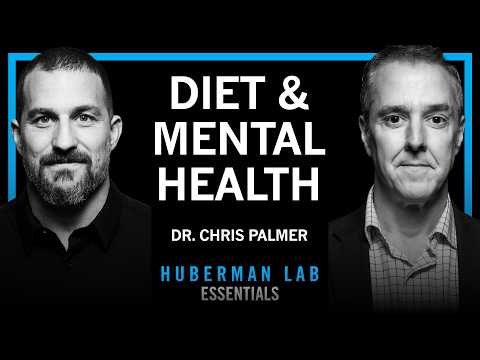
Journal Club with Dr. Peter Attia | Effects of Light & Dark on Mental Health & Treatments for Cancer
TL;DR
- Bright light exposure at sunrise and throughout the day significantly improves mental health outcomes and can reduce symptoms of depression and anxiety
- Dark exposure at night is equally important for mental health, with evening light exposure interfering with sleep quality and circadian rhythm regulation
- A large-scale study of over 85,000 people using objective light measurements demonstrates the independent effects of light and dark on psychiatric disorders
- Novel immunotherapy treatments show promise in combating cancer by engaging the immune system in new ways
- Recent data on low-calorie sweeteners suggests potential concerns that warrant cautious consumption and further research
- Optimizing light exposure patterns is a science-backed, accessible intervention for improving mental health and supporting longevity
Key Moments
Episode Recap
In this journal club episode, Dr. Andrew Huberman and Dr. Peter Attia discuss cutting-edge research on light exposure, cancer immunotherapy, and the safety of low-calorie sweeteners. The episode centers on a landmark study examining how bright light exposure at sunrise and throughout the day independently improves mental health outcomes in over 85,000 people. The research reveals that adequate bright light exposure, particularly in the morning, can offset major symptoms of depression and anxiety. Equally important is the inverse relationship with evening and nighttime light exposure. The study demonstrates that dark exposure at night is crucial for maintaining mental health, and evening light exposure can significantly compromise sleep quality and circadian rhythm function. This dual finding underscores that both bright light during the day and darkness at night are essential components of mental health optimization. The research has profound implications for how individuals structure their daily light exposure to support psychological wellbeing. Huberman and Attia discuss the mechanisms by which light influences mood, sleep architecture, and neurotransmitter production, including effects on serotonin and melatonin pathways. They also explore practical applications of these findings for individuals struggling with depression, anxiety, and sleep disorders. The conversation includes discussion of related research on how early evening light exposure can mitigate the negative physiological effects of subsequent late evening light exposure, suggesting there may be temporal windows for optimizing light exposure throughout the day. The second major topic covers novel immunotherapy approaches for cancer treatment. Rather than traditional chemotherapy or radiation, these emerging treatments work by engaging and enhancing the body's own immune system to recognize and eliminate cancer cells. The discussion explores the mechanisms of action, potential benefits, and current research supporting these approaches. Finally, the episode addresses recent data on low-calorie sweeteners, examining whether they are truly safe for long-term consumption. The hosts review evidence suggesting potential metabolic and health concerns associated with artificial sweeteners, providing listeners with science-backed guidance on sweetener consumption. Throughout the episode, both hosts emphasize actionable takeaways that listeners can implement immediately to improve their mental health, support their immune function, and optimize their longevity and healthspan.
Notable Quotes
“Bright light exposure at sunrise is one of the most powerful interventions we have for improving mental health outcomes”
“The absence of darkness at night is just as damaging to mental health as the absence of bright light during the day”
“Light is not just about vision, it's a powerful regulator of our neurobiology and mental state”
“These immunotherapy approaches represent a paradigm shift in how we think about cancer treatment by leveraging the immune system”
“The data on artificial sweeteners suggests we need to be more cautious about assuming safety based on caloric content alone”
Products Mentioned
Equipment
Light Therapy Lamp
A bright light therapy device designed to deliver high-intensity light exposure for mood support and circadian rhythm regulation.
View on Amazon →
Equipment
Blue Light Blocking Glasses
Eyewear designed to filter blue light in the evening and night to support melatonin production and sleep quality.
View on Amazon →
Books
The Drive Podcast
Dr. Peter Attia's podcast exploring the science of longevity, healthspan optimization, and evidence-based medicine.
View on Amazon →