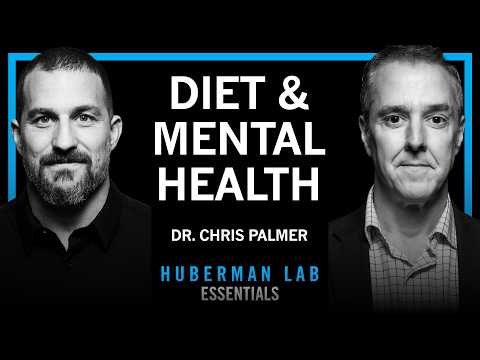
Nutrients For Brain Health & Performance | Huberman Lab Podcast #42
TL;DR
- Omega-3 fatty acids are essential structural components of neurons that support brain function throughout the lifespan, with specific recommended dosages based on peer-reviewed research.
- Creatine, phosphatidylserine, anthocyanins, choline, and glutamine each offer distinct cognitive and neuroprotective benefits for both healthy individuals and those experiencing cognitive decline.
- Both food-based and supplement-based sources exist for brain-supporting nutrients, allowing personalized approaches based on individual preferences and dietary needs.
- Gut-brain signaling, perceived taste, and learned food associations combine with metabolic effects to determine food preferences and seeking behaviors.
- Non-caloric sweeteners consumed with glucose-elevating foods can rapidly impair insulin regulation and metabolic health through neural and physiological mechanisms.
- Understanding the neuroscience of taste and food preference enables strategic leverage of neural circuits to naturally seek and enjoy foods that optimize brain health.
Key Moments
0:00
Introduction to Brain Nutrients and Omega-3 Fatty Acids
12:00
Creatine, Phosphatidylserine, and Anthocyanins for Cognitive Function
24:00
Choline and Glutamine: Brain Performance and Neuroprotection
36:00
Gut-Brain Signaling and Neural Mechanisms of Food Preference
48:00
Non-Caloric Sweeteners, Glucose, and Insulin Dysregulation
Episode Recap
In this comprehensive episode on nutrients for brain health and performance, Dr. Huberman explores the science-supported compounds that enhance cognition and support nervous system function. The episode systematically covers ten key nutrients, with particular emphasis on omega-3 fatty acids, which serve as the structural foundation of neuronal membranes and remain crucial for brain function across the entire lifespan. Huberman provides specific dosage recommendations and discusses both whole-food and supplemental sources for omega-3s, allowing listeners to choose approaches aligned with their preferences and dietary patterns.
Beyond omega-3s, the episode examines the cognitive benefits of creatine supplementation, phosphatidylserine, anthocyanins from berry sources, choline, and glutamine. Each nutrient is discussed in the context of both brain optimization in healthy individuals and potential therapeutic applications for those experiencing age-related cognitive decline. The presentation of multiple nutrient options reflects the reality that brain health requires a multifaceted nutritional approach rather than reliance on single compounds.
A significant portion of the episode addresses the neural mechanisms underlying food preference and consumption, moving beyond simplistic understandings of taste. Huberman explains how three primary factors interact to shape our food choices: gut-brain signaling pathways that communicate nutrient status and metabolic needs, the sensory experience of perceived taste, and learned associations developed through repeated exposure and contextual pairing. These neural systems work together with the metabolic effects of food, including blood sugar elevation, to create powerful drives toward certain foods.
Crucially, the episode explores how understanding these neural circuits allows individuals to deliberately reshape food preferences toward options that support brain health. Rather than relying purely on willpower, this approach leverages the brain's own learning mechanisms to make healthier foods increasingly appealing over time.
The episode also addresses a concerning contemporary nutritional issue: the interaction between non-caloric sweeteners and glucose-containing foods. Recent research indicates that consuming artificial sweeteners alongside carbohydrates can rapidly promote insulin dysregulation, potentially leading to metabolic dysfunction more quickly than glucose alone. This finding challenges common assumptions about artificial sweetener safety and highlights the importance of understanding how food combinations affect metabolic health.
Throughout the episode, Huberman emphasizes evidence-based dosing and practical implementation, distinguishing between marketing claims and peer-reviewed findings. The dual presentation of food-based and supplement-based sources acknowledges that optimal brain nutrition can be achieved through multiple pathways, with individual factors determining the most effective approach for each person.
Notable Quotes
“Omega-3 fatty acids make up the structural fat of neurons and are essential for their function across our lifespan.”
“Understanding the neural circuits of learned food preference allows us to leverage them toward seeking and enjoying the right foods for brain health.”
“It is not just about what tastes good to us. Gut-brain signaling, perceived taste, and learned associations all combine to determine our food preferences.”
“Non-caloric sweeteners consumed with glucose-elevating foods can be detrimental and rapidly lead to insulin dysregulation in some cases.”
“Both food-based and supplement-based sources exist for brain-supporting nutrients, providing flexibility for individual dietary approaches.”
Products Mentioned
Supplements
Omega-3 Fatty Acids Supplement
Essential structural component of neuronal membranes supporting lifelong brain function and cognitive performance.
View on Amazon →
Supplements
Creatine Monohydrate
Supports cognitive function and may help combat age-related cognitive decline in healthy individuals.
View on Thorne →
Supplements
Phosphatidylserine
Supports neuronal membrane health and cognitive function with evidence for brain optimization and neuroprotection.
View on Thorne →
Supplements
Choline Supplement
Essential nutrient for brain development and cognitive function with roles in memory and learning.
View on Thorne →