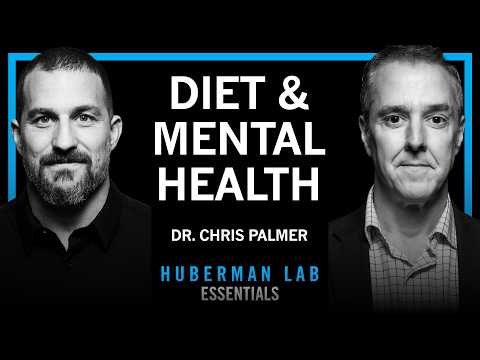
How Different Diets Impact Your Health | Dr. Christopher Gardner
TL;DR
- There is no single best diet for everyone; success depends on individual factors, preferences, and what you can sustain long-term
- Ketogenic, vegetarian, vegan, and omnivorous diets can all support health when properly implemented with quality whole foods
- The most important dietary change is eliminating or dramatically reducing processed foods regardless of which diet pattern you follow
- Plant-based and animal-based proteins each offer unique nutritional profiles; the key is meeting your protein needs from quality sources
- Fiber and low-sugar fermented foods are critical for gut health, microbial diversity, and reducing systemic inflammation
- Food sensitivities like gluten, dairy, and soy affect individuals differently; personalized testing and elimination protocols help identify problematic foods
Key Moments
Episode Recap
Dr. Christopher Gardner presents a nuanced exploration of modern dietary approaches and their effects on human health. Rather than promoting a single optimal diet, Gardner emphasizes that different eating patterns can work for different people based on individual genetics, lifestyle, preferences, and health goals. The episode examines ketogenic, vegetarian, vegan, and omnivorous diets, providing evidence-based comparisons of their respective benefits and drawbacks. Gardner stresses that while diet composition varies significantly across these approaches, they share common ground in that adherence and sustainability matter more than the specific diet type. The overwhelming consensus across all dietary patterns is that eliminating or dramatically reducing processed foods represents the single most impactful dietary change people can make for improved health outcomes. This finding cuts across all diet philosophies and remains consistent in the research literature. The conversation addresses the ongoing controversy surrounding protein requirements, exploring both quantity and quality considerations. Gardner discusses how plant-based and animal-based proteins offer different amino acid profiles and bioavailability rates, noting that meeting adequate protein intake from quality sources matters more than the source itself. He provides practical guidance on protein needs for various populations and activity levels. The episode delves deeply into the critical role of fiber in human health, explaining how adequate fiber intake supports beneficial gut microbiota composition and diversity. Low-sugar fermented foods are highlighted as particularly valuable for promoting healthy bacterial populations and reducing chronic inflammation throughout the body. Gardner discusses mechanisms by which dietary components influence gene expression, explaining how foods can activate or suppress genes related to inflammation, metabolism, and disease risk. The discussion extends to food sensitivities and allergies, including common triggers like gluten, wheat, dairy, and soy. Gardner explains how these sensitivities vary significantly among individuals and why blanket recommendations to avoid these foods are not evidence-based for the general population. He discusses practical approaches to identifying personal food sensitivities through systematic elimination and reintroduction protocols. The episode also addresses raw dairy, examining the claimed health benefits against current scientific evidence. Throughout the conversation, Gardner maintains a data-driven approach while acknowledging that individual variation in response to dietary interventions means personalized approaches often work better than one-size-fits-all recommendations.
Notable Quotes
“There is no one-size-fits-all approach to diet; the best diet is the one you can sustain that aligns with your values and health goals”
“Eliminating or dramatically reducing processed foods is the most important dietary change you can make for your health”
“Meeting your protein needs from quality sources matters more than whether that protein comes from plants or animals”
“Fiber and low-sugar fermented foods are critical for supporting beneficial gut bacteria and reducing chronic inflammation”
“Individual variation in how we respond to different foods and diets means personalized approaches often work better than universal recommendations”
Products Mentioned
Supplements
AG1
A comprehensive greens and probiotics supplement designed to support nutrition and gut health.
View on Amazon →
Supplements
LMNT
An electrolyte supplement formulated to support hydration and nutrient balance.
View on Amazon →
Health
Levels
A continuous glucose monitoring system that helps track how different foods affect blood sugar levels.
View on Amazon →
Full Transcript▼