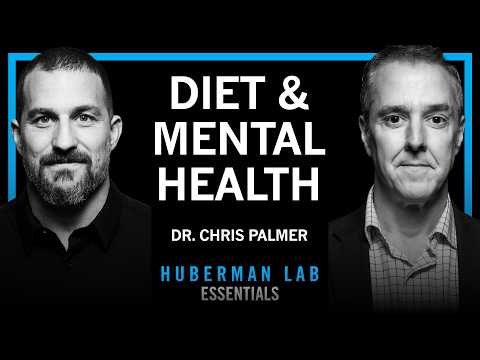
Supplements for Longevity & Their Efficacy | Dr. Peter Attia
TL;DR
- The NAD pathway plays a critical role in cellular health and aging, making it a key target for longevity interventions
- NAD, NMN, and NR are different precursors with varying bioavailability and efficacy, with limited human evidence for lifespan extension despite promising animal studies
- Popular longevity supplements like rapamycin and resveratrol show potential in research but lack definitive proof of extending human lifespan
- Behavioral interventions including sleep, exercise, and proper nutrition are far more impactful for longevity than supplementation alone
- Both Huberman and Attia maintain personalized supplement regimens while emphasizing that foundational health behaviors should be prioritized first
- Biological age tests have limitations and should not be used as sole indicators of aging or health outcomes
Key Moments
0:00
Introduction to Dr. Peter Attia and his work on longevity
8:30
The NAD pathway and its role in aging and cellular health
22:15
Comparing NAD, NMN, and NR: bioavailability and efficacy
38:45
Longevity supplements including rapamycin and resveratrol
55:00
Behavioral factors versus supplementation for longevity
Episode Recap
In this episode, Dr. Andrew Huberman explores the science of longevity supplements with Dr. Peter Attia, a leading expert in healthspan and lifespan extension. The discussion begins with an in-depth examination of the NAD pathway, a cellular process increasingly recognized as fundamental to aging and disease prevention. The NAD pathway involves numerous enzymes and cofactors that influence energy production, DNA repair, and cellular stress responses, making it a compelling target for interventions aimed at extending human lifespan.
The hosts then compare three major NAD precursors: nicotinamide adenine dinucleotide (NAD), nicotinamide mononucleotide (NMN), and nicotinamide riboside (NR). Each compound differs in its bioavailability, route of administration, and current evidence base. While animal studies demonstrate promising effects on lifespan and healthspan, the human evidence remains limited and inconclusive. The episode evaluates both oral and intravenous supplementation routes, examining safety profiles and whether these interventions can realistically translate animal findings to human populations.
Beyond NAD-focused compounds, the conversation expands to other popular longevity supplements including rapamycin, a drug originally developed as an immunosuppressant, and resveratrol, a polyphenol found in red wine. Both show interesting mechanisms of action in research settings, yet the clinical evidence for human lifespan extension remains preliminary. Dr. Attia and Dr. Huberman carefully distinguish between what the science suggests is possible and what has actually been proven in humans, emphasizing the importance of intellectual honesty when discussing supplement efficacy.
A significant portion of the episode focuses on the hierarchy of interventions for longevity. Both experts agree that behavioral factors such as quality sleep, regular exercise, proper nutrition, and stress management provide far greater returns on investment compared to supplementation. They discuss how these foundational pillars should be established before considering supplement protocols. The conversation then becomes personal as both Huberman and Attia describe their own supplement regimens, revealing that even longevity experts take a measured and selective approach rather than pursuing every promising compound.
The episode also addresses biological age testing, a growing field that claims to measure aging at the cellular level through various biomarkers and algorithms. While these tests generate significant interest, both experts highlight their limitations and caution against over-interpreting results. Finally, the hosts address a peripheral but important question about whether normal radiation exposure levels, such as those from air travel or medical imaging, meaningfully increase cancer risk. This broader discussion underscores the importance of proportional risk assessment when evaluating health interventions and environmental exposures.
Notable Quotes
“The most important thing you can do for your longevity is to get the basics right: sleep, exercise, and nutrition.”
“The evidence for NAD precursors extending human lifespan is much weaker than most people realize, despite promising animal studies.”
“Biological age tests are interesting tools, but they should not be over-interpreted as definitive measures of aging.”
“We have to be honest about what the evidence actually shows versus what we hope might be true.”
“Supplementation is the cherry on top of the sundae, not the sundae itself.”
Products Mentioned
Books
Outlive: The Science and Art of Longevity
A bestselling book by Dr. Peter Attia exploring evidence-based strategies for extending healthspan and lifespan.
View on Amazon →
Supplements
Nicotinamide Mononucleotide (NMN)
A NAD precursor supplement that may support cellular energy production and longevity pathways.
View on Amazon →
Supplements
Nicotinamide Riboside (NR)
An alternative NAD precursor with different bioavailability characteristics compared to NMN.
View on Amazon →
Supplements
Resveratrol
A polyphenol found in red wine and grapes that may activate longevity pathways and support healthy aging.
View on Amazon →