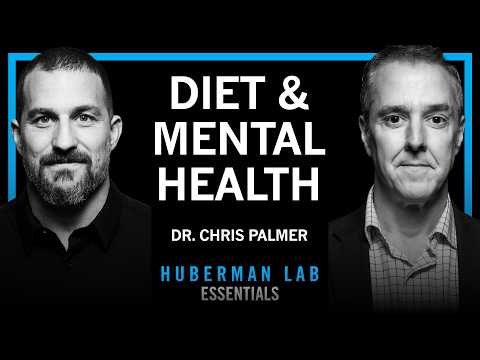
The Science & Treatment of Bipolar Disorder | Huberman Lab Essentials
TL;DR
- Bipolar disorder involves distinct mood episodes including manic, hypomanic, and depressive states with specific diagnostic criteria and prevalence rates
- Neurobiological factors including circadian rhythm disruption, neurotransmitter imbalances, and genetic predisposition play crucial roles in bipolar disorder pathophysiology
- Medication treatments such as lithium, anticonvulsants, and atypical antipsychotics are evidence-based approaches with different efficacy profiles and side effect considerations
- Psychotherapy modalities including cognitive behavioral therapy and psychoeducation are essential components of comprehensive bipolar disorder treatment
- Sleep regulation, stress management, and lifestyle factors significantly impact mood stability and episode frequency in bipolar disorder
- Early recognition of mood episode warning signs and consistent treatment adherence are critical for managing bipolar disorder and preventing relapse
Key Moments
0:00
Bipolar Disorder Definition and Classification
12:00
Neurobiological Mechanisms and Circadian Rhythm Dysfunction
28:00
Pharmacological Treatments: Lithium and Alternative Medications
42:00
Psychotherapy, Psychoeducation, and Behavioral Interventions
56:00
Lifestyle Factors, Sleep Management, and Relapse Prevention
Episode Recap
This Huberman Lab Essentials episode provides a comprehensive examination of bipolar disorder from both scientific and clinical treatment perspectives. Bipolar disorder is a complex neuropsychiatric condition characterized by alternating periods of elevated mood states and depressive episodes, affecting millions of people worldwide. The episode explores the fundamental distinction between bipolar I disorder, which includes full manic episodes, and bipolar II disorder, characterized by hypomanic episodes and major depressive episodes.
The discussion delves into the neurobiological mechanisms underlying bipolar disorder, including dysregulation of circadian rhythms, which play a critical role in mood stability. The episode explains how disruptions in sleep-wake cycles can trigger or exacerbate mood episodes. Neurotransmitter imbalances involving serotonin, dopamine, norepinephrine, and gamma-aminobutyric acid are examined as key factors in the pathophysiology of the condition. Genetic predisposition is also discussed, with evidence suggesting that bipolar disorder runs in families and involves multiple genes interacting with environmental factors.
The episode covers evidence-based pharmacological treatments in detail. Lithium remains one of the most effective medications for bipolar disorder, with decades of clinical data supporting its mood-stabilizing properties and its ability to reduce suicide risk. The mechanisms by which lithium affects cellular signaling and neuroprotection are explained. Alternative and complementary medications including anticonvulsants like valproate and lamotrigine, as well as atypical antipsychotics, are discussed with their respective efficacy profiles, advantages, and potential side effects.
Beyond medication, the episode emphasizes the importance of psychotherapy and psychoeducation in bipolar disorder management. Cognitive behavioral therapy approaches are highlighted as effective tools for managing mood symptoms and preventing relapse. The role of family support and education is underscored, as involving loved ones in treatment can improve outcomes.
Lifestyle factors receive substantial attention throughout the episode. Sleep regulation is presented as perhaps the single most important controllable factor in managing bipolar disorder, as sleep disruption can trigger mood episodes. The episode provides practical guidance on sleep hygiene and circadian rhythm maintenance. Stress management techniques, including meditation and exercise, are discussed for their mood-stabilizing effects. The impact of substance use, particularly alcohol and stimulants, on mood stability is addressed with clear warnings about potential triggers.
The episode also explores the importance of early recognition and intervention. Warning signs of impending mood episodes are outlined, enabling individuals and their support systems to seek help proactively. The critical role of treatment adherence is emphasized, as many individuals struggle with medication compliance, particularly during stable periods when they may feel they no longer need treatment.
Throughout the episode, the multifaceted nature of bipolar disorder treatment is made clear. Effective management requires a combination of medication, psychotherapy, lifestyle optimization, and strong support systems. The episode concludes by reinforcing that while bipolar disorder is a serious condition requiring professional medical care, with proper treatment and management strategies, individuals with bipolar disorder can achieve mood stability and live fulfilling lives.
Notable Quotes
“Bipolar disorder is not simply a mood disorder but a complex neurobiological condition that requires comprehensive, multi-faceted treatment approaches”
“Sleep disruption is often the most powerful trigger for mood episodes in bipolar disorder and should be treated with the utmost priority”
“Lithium has decades of clinical evidence supporting its effectiveness and remains the gold standard treatment for bipolar disorder in many cases”
“Early recognition of mood episode warning signs allows individuals to intervene before episodes fully develop and cause significant disruption”
“Treatment adherence during stable periods is critical because bipolar disorder requires long-term management even when mood symptoms are not currently present”
Products Mentioned
Books
The Bipolar Workbook: David Miklowitz
A comprehensive guide providing evidence-based cognitive behavioral therapy techniques and practical tools for managing bipolar disorder.
View on Amazon →
Books
An Unquiet Mind: Kay Redfield Jamison
A personal memoir by a prominent psychologist who has bipolar disorder, offering insights into the lived experience and treatment of the condition.
View on Amazon →