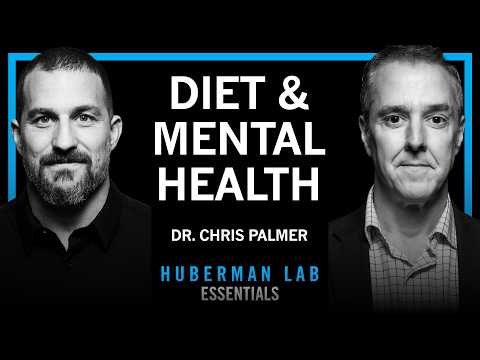
Healthy Eating & Eating Disorders - Anorexia, Bulimia, Binging
TL;DR
- Hunger and satiety are regulated by brain, stomach, fat, and hormones working together, with specific neural circuits controlling the desire to eat and stop eating
- Protein is better assimilated earlier in the day, making morning protein intake more efficient than evening consumption for muscle synthesis and metabolic health
- Intermittent fasting may be more effective when the feeding window is shifted to earlier hours to align with optimal protein utilization and circadian rhythms
- Anorexia Nervosa involves complex brain chemistry disruption and reflexive fat-hyperawareness habits, with effective treatments ranging from family-based therapy to emerging psychedelic-assisted approaches
- Bulimia Nervosa shares neurobiological similarities with ADHD, with treatments targeting habitual behaviors and addressing thyroid dysfunction common in the condition
- Novel eating disorders are emerging alongside body dysmorphia and compulsive food restriction, requiring updated understanding of eating disorder neurobiology and treatment approaches
Key Moments
Episode Recap
This episode explores the neurobiology of eating behavior and eating disorders from multiple angles. Dr. Huberman begins by explaining the physiological mechanisms that drive hunger and satiety, highlighting the complex interplay between the brain, stomach, adipose tissue, and hormones like leptin and ghrelin. He discusses how the brain's appetite circuits can be manipulated and controlled through understanding these mechanisms. A key insight presented is that protein assimilation is significantly more efficient when consumed early in the day compared to later hours, suggesting that individuals should prioritize protein intake during breakfast or early meals to maximize protein synthesis and metabolic benefits.
Dr. Huberman then pivots to discussing intermittent fasting, noting that those practicing this approach might optimize results by shifting their feeding window to earlier hours rather than later in the day. This aligns with both protein utilization efficiency and circadian biology.
The episode shifts focus to eating disorders, beginning with Anorexia Nervosa. Dr. Huberman debunks common myths, particularly the idea that media images are the primary driver of anorexia rates, and the stereotype of the perfectionist anorexic. Instead, he presents evidence-based understanding of the condition's neurobiological basis, describing how the brain's reward and habit systems become dysregulated. A particularly important discussion centers on how individuals with anorexia develop hyperawareness of fat content in foods, essentially training reflexive avoidance patterns that become deeply ingrained. Treatment approaches discussed range from family-based intervention models, which are particularly effective in younger patients, to cognitive behavioral therapies targeting habitual food choices. Emerging experimental treatments using MDMA, psilocybin, and ibogaine show promise but come with important risks and considerations that require careful clinical monitoring.
Bulimia Nervosa receives detailed attention, with Dr. Huberman explaining the neurobiological mechanisms underlying binge and purge cycles. He highlights surprising parallels between bulimia and ADHD, suggesting that treatments for one condition can sometimes help with the other. The discussion includes information about thyroid disruption in bulimia and how this compounds the metabolic and psychological symptoms. Brain stimulation therapies and pharmacological treatments are presented as evidence-based approaches.
The episode concludes with discussion of body dysmorphia and newer eating disorder presentations that don't fit traditional diagnostic categories. Dr. Huberman addresses the concept of cheat days and their psychological implications, along with the growing recognition of novel eating disorder phenotypes. Throughout, the discussion emphasizes science-based understanding over myth and presents practical tools for both prevention and treatment. The episode represents a comprehensive overview of how neuroscience is illuminating our understanding of eating behavior and disorders.
Notable Quotes
“Hunger and satiety are not simple processes but involve complex coordination between the brain, stomach, fat tissue, and multiple hormonal systems.”
“Protein consumed early in the day is assimilated more efficiently than protein consumed later, making breakfast timing strategically important for muscle synthesis.”
“Those practicing intermittent fasting should consider shifting their feeding window to earlier hours to align with optimal protein utilization and circadian biology.”
“Anorexia involves reflexive habits of fat-hyperawareness that become deeply ingrained in the nervous system, requiring targeted intervention to break these patterns.”
“Emerging psychedelic-assisted therapies show promise for eating disorders but require careful clinical consideration and monitoring due to associated risks.”
Products Mentioned
Tech
Headspace Meditation App
Meditation and mindfulness application for mental health and stress reduction.
View on Amazon →
Supplements
Athletic Greens AG1
Comprehensive daily greens supplement containing vitamins, minerals, and probiotics for nutritional support.
View on Athletic Greens →
Supplements
Thorne Supplements
High-quality supplement line providing evidence-based nutritional support and optimization products.
View on Amazon →