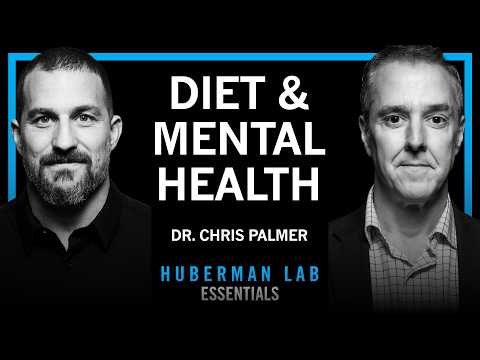
How to Enhance Your Gut Microbiome for Brain & Overall Health
TL;DR
- The gut-brain axis is a bidirectional communication system where the gut microbiome profoundly influences brain function, behavior, and overall health through multiple signaling pathways
- The gut controls hunger and satiety signals by affecting specific neurons in the brain, directly impacting feeding behavior and metabolic health
- Healthy microbiomes are characterized by microbial diversity, and lifestyle factors including stress, sleep, antibiotics, and environmental exposure significantly shape microbiota composition
- Fermented foods and dietary choices can increase the diversity and abundance of beneficial gut bacteria, supporting both mental and physical health outcomes
- Multiple communication pathways between gut and brain operate through direct neural connections, chemical signals, mechanical stimulation, and both fast and slow signaling mechanisms
- Simple, evidence-based tools including proper nutrition, stress management, adequate sleep, and deliberate microbiota enhancement can optimize gut health and support brain function
Key Moments
0:00
Introduction to the gut-brain axis and microbiome significance
12:00
Structure and function of gut-brain communication pathways
25:00
How the gut controls hunger, satiety, and feeding behavior
38:00
Lifestyle factors that shape the microbiome: stress, antibiotics, environment, and fasting
52:00
Fermented foods, dietary interventions, and practical tools for microbiome enhancement
Episode Recap
Dr. Andrew Huberman explores the intricate relationship between the gut microbiome and nervous system in this comprehensive episode on gut-brain health. The discussion centers on how the gastrointestinal system profoundly influences brain function, mental health, and overall wellbeing through a complex communication network known as the gut-brain axis.
Huberman explains the anatomical and functional basis of the gut-brain axis, detailing how the gut microbiome communicates with the central nervous system through multiple distinct pathways. These pathways operate via direct neural connections, including the vagus nerve, as well as through chemical signaling molecules and mechanical stimulation. The episode emphasizes that these communication channels operate on different timescales, ranging from rapid signals to slower, sustained influences that shape behavior and physiology over time.
A key focus involves how the gut regulates hunger and satiety. Huberman describes the mechanisms by which gut bacteria and intestinal cells signal to specific brain regions, influencing appetite, food preferences, and energy metabolism. This direct control of feeding behavior demonstrates the profound impact of microbiota composition on daily function and health outcomes.
The episode extensively covers what constitutes a healthy microbiome, primarily emphasizing microbial diversity as a key marker of gut health. Huberman then systematically examines how lifestyle factors shape the microbiome. Chronic stress reduces microbial diversity through cortisol and other stress hormones. Fasting patterns alter the composition and function of gut bacteria. Antibiotic use, while sometimes necessary, can dramatically disrupt established microbial communities. Environmental exposure, including contact with pets and diverse microbial environments, promotes healthy microbiota development.
A particularly important finding discussed is the emerging research on fermented foods. Huberman highlights data showing that consuming fermented foods like yogurt, kefir, sauerkraut, and kimchi can increase the diversity and abundance of beneficial gut bacteria. This dietary intervention represents one of the most accessible and evidence-supported tools for enhancing microbiota health.
The episode connects gut microbiome composition to specific health and behavioral outcomes. Research reveals associations between microbiota diversity and mental health, social behavior, immune function, and even longevity. Huberman emphasizes that the microbiome influences neurotransmitter production, immune regulation, and the integrity of the intestinal barrier, all of which have cascading effects on brain and body health.
Throughout the discussion, Huberman anchors the content in peer-reviewed research and established neurobiology principles. He provides practical tools and recommendations that anyone can implement immediately, including dietary modifications, stress management practices, adequate sleep, and deliberate exposure to microbial diversity through environmental engagement. The episode concludes by emphasizing that understanding and optimizing the gut-brain axis provides an accessible yet powerful avenue for enhancing both mental and physical health.
Notable Quotes
“The gut microbiome is not just important for digestion, it is critical for brain function and mental health”
“Microbial diversity is a hallmark of a healthy microbiome and is associated with better physical and mental health outcomes”
“Fermented foods can increase the diversity of healthy gut bacteria and represent an accessible tool for enhancing microbiota composition”
“The gut-brain axis operates through multiple pathways that work at different speeds, from rapid neural signaling to slower chemical and metabolic influences”
“Lifestyle factors including stress management, adequate sleep, and environmental exposure profoundly shape your gut microbiome composition and function”
Products Mentioned
Supplements
AG1 (Athletic Greens)
A comprehensive nutritional supplement designed to support overall health, including digestive and microbiome health.
View on Amazon →
Supplements
LMNT Electrolytes
An electrolyte supplement formulated to support hydration and overall health without sugar.
View on Amazon →
Supplements
InsideTracker
A personalized health analytics platform that tracks blood biomarkers and provides science-backed recommendations for optimizing health.
View on Amazon →
Supplements
Thorne Supplements
A supplement line curated by Dr. Huberman featuring evidence-based formulations to support health and wellness.
View on Amazon →